

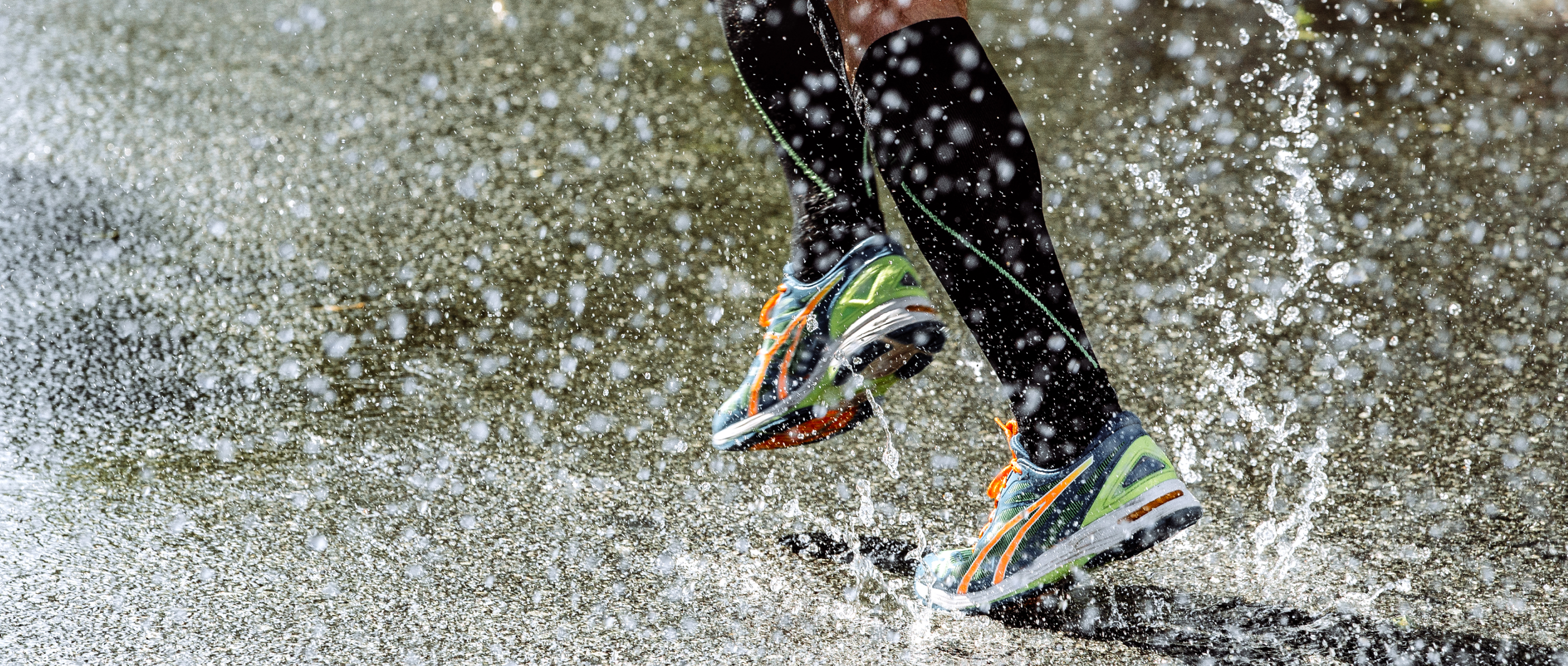
Exercise is a good metaphor for life. When the heat is on and you start sweating, can you still perform, or do you get tired and quit?
Every athlete and active outdoorsman/woman knows you have to stay hydrated to keep up performance, but few know how much fluid and electrolytes they need, when to consume them, and the best sources. (Hint: not any old sports drink will get it done.)
Furthermore, hydration alone won’t allow you to maximize your abilities. Combining electrolytes with a special and oft-overlooked nutrient can make the difference between your engine chugging along smoothly through the hottest temperatures and feeling it overheat, sputter, and grind to a halt.
The Importance of Hydration
Electrolytes are salt and the minerals calcium, magnesium, phosphate, and potassium. They help transmit electrical signals through the body, controlling the function of your muscles and heart, and they help you absorb nutrients. When you sweat, go to the bathroom, and even exhale, you lose some electrolytes, along with the water they circulate in. Playing sports or being active, particularly on hot days, naturally makes you perspire, pee, and breathe more, increasing the outflow of electrolytes.
According to an article by Johns Hopkins Medicine, a person can lose up to a half-gallon of fluid for every hour of exercise, with endurance activities (running, cycling, and even hiking) putting you at risk for as much as a three-quarter gallon loss.
It doesn’t take much fluid loss to affect the way you think, feel, and perform. The Journal of the International Society of Sports Nutrition published a study showing that athletes who were only mildly dehydrated lost anaerobic power, had slower reaction times, and had worse heart rate recovery. A review in the British Journal of Nutrition found that dehydration disrupts hormonal balance and blood flow to the brain, harming attention, mental speed, and mood.
Johns Hopkins notes that dehydration can also cause headaches, cramping, and ultimately heat stroke, which can be life-threatening.
How Do I Know If I’m Dehydrated?
Fortunately, signs that dehydration is setting in aren’t hard to interpret if you’re paying attention. If you’re not peeing as much as usual, or your urine is a dark yellow, that means it’s high time to drink fluids. Feeling fatigued, light-headed, dizzy or confused are also tells, as well as times when you find yourself breathing extra hard or your heart is beating like a rabbit.
Here’s the thing: if you feel thirsty, dehydration is already setting in, so beat it to the punch by drinking fluid before you really feel the need to.
How Much Fluid Should I Drink?
Johns Hopkins recommends drinking six to 12 ounces of fluid for every 20 minutes of activity.
When Should I Take Electrolytes?
Have 24 ounces of a sports drink about two hours before activity, and if your exercise is going to go longer than 45 minutes, have another sports drink at that mark. After activity, drink 16–24 ounces of water or another sports drink (depending on how much you sweat).
How Many Electrolytes Do I Need?
The main one is salt (sodium). Since you can sweat anywhere from 200 to 2,000 milligrams (mg) of salt out of your body per liter of fluid lost, Johns Hopkins recommends having a 16-ounce sports drink that contains at least 200mg of sodium. Or, since many drinks come in 12-ounce bottles, look for one that has at least 150mg sodium.
Coconut water has been a trendy sports drink in recent years, as it’s high in potassium. But Johns Hopkins says that the body doesn’t lose excessive potassium through sweat, so coconut water and other high-potassium sports drinks won’t rehydrate you adequately.
Does Pink Himalayan Salt Help Hydration?
Pink Himalayan salt is another popular health food purported to have great hydrating properties. It contains more calcium, iron, magnesium, and potassium than regular table salt—so it technically has more electrolytes and is effective for hydration—but the amounts don’t appear to make a significant difference for overall health. Pink Himalayan salt is, however, less processed than your typical iodized salt, so it’s a good alternative for people who don’t want the additives found in conventional salt products.
What Should I Look For In A Sports Drink?
Apart from the electrolytes, a sports drink or performance supplement that really offers an extra boost will be one that contains ketones—compounds that serve as a fuel source. When you go on a low-carb diet, your liver starts to make ketones from fatty acids because it’s not getting energy from carbs, but you don’t actually have to do the low-carb thing to get them. Nowadays, there are ketone supplements, and chief among them is BHB.
What Is The Ketone BHB?
BHB—beta-hydroxybutarate—is the most prominent ketone made by the liver. A trial from Proceedings of the National Academy of Sciences found that ketones, whether made by the body or taken as a supplement, support cognition, especially as we age.†
goBHB®, which is simply a branded form of BHB and identical to what the liver makes on its own, has no calories, no effect on blood sugar, and hasn’t been found to disrupt the stomach or digestion.† Clinical research on BHB shows that it supports reaction time and exercise performance.† One trial specifically demonstrated its effectiveness for sustaining mental performance in cyclists under hot weather conditions.†
If you are a low-carb eater already, ketones add more of the fuel source your body is already running on, effectively keeping your tank topped off. Alternately, if you’re eating a more conventional diet with carbs, think of ketones as a way of adding an extra fuel tank to your engine, giving you another nutrient for your brain, heart, and muscles to burn.
Read more about ketones, goBHB, and Korrect Fuel™, our pre-workout/mental and physical performance formula in The Momentum To Smash Obstacles: How Korrect Fuel Helps You Power Through.
Korrect Fuel vs PRIME® Hydration Drink
PRIME is one of the most popular hydration drinks out there and many people enjoy its wide array of flavors. Like Fuel, it’s low in calories (although it packs 10 more per serving than Korrect’s formula), and for those who would prefer not to take in caffeine, PRIME is caffeine-free (while Fuel has 20mg). Still, PRIME doesn’t offer much sodium—a mere 30mg in a near 17-ounce bottle. That’s well below the recommended 200mg per 16 ounces of fluid.
Furthermore, PRIME sources much of its electrolytes from coconut water, which accounts for its high potassium content (700mg). The problem is, according to Johns Hopkins, potassium isn’t lost in great amounts through sweat, so there isn’t need for massive supplementation. Sodium is far more important.
Another consideration is PRIME’s sweetener: sucralose. While most research indicates it’s safe to consume, there is some debate over its long-term effects on the balance of bacteria in the gut. A 2022 study found that four months of even very low-dose sucralose consumption disrupted the gut microbiome in mice, and it promoted inflammation.
Fuel, on the other hand, is sweetened by Glyvia®, a type of sugar molecule that isn’t absorbed in the upper GI tract.† Glyvia doesn’t impact blood glucose or insulin and is often used in keto desserts because it tastes so good.
Korrect Fuel vs Gatorade® Electrolytes
Gatorade is certainly the OG of hydration drinks, and unlike PRIME, it nails the sodium requirement for a good sports drink—150mg per 12 ounces. While the original line has sugar, newer additions like Zero Thirst Quencher boast flavors with nearly no calories or carbs. In the minus column, however, Gatorade lacks magnesium while Fuel offers 130mg.
A review in Nutrients suggests that magnesium supplementation may improve both aerobic and anaerobic exercise performance.†
As with PRIME, Gatorade is sweetened with sucralose. Some people find the sucralose taste a bit overwhelming, as it’s 600 times sweeter than sugar (seriously). If you’re the type who doesn’t enjoy that “fake sugar” feeling, Fuel may appeal to you due to its Glyvia.
Korrect Fuel vs. Ultima® Electrolytes
Ultima Replenisher® is another popular hydration supplement, and while it scores with potassium, magnesium, and calcium, and contains no calories or carbs, it falls well short of sodium with only 55mg.
SUMMARY
– Drink 6–12 ounces of fluid for every 20 minutes that you’re active, along with 150–200mg sodium.
– Drink electrolytes before activity, again at the 45-minute mark, and after.
– Consume supplemental ketones for extra mental and physical performance benefits (these are included in Korrect Fuel).
Share:
The Best Dumbbell Shoulder Workouts and Exercises for Strong, Healthy Shoulders
How I survived the longest, best day of my life